
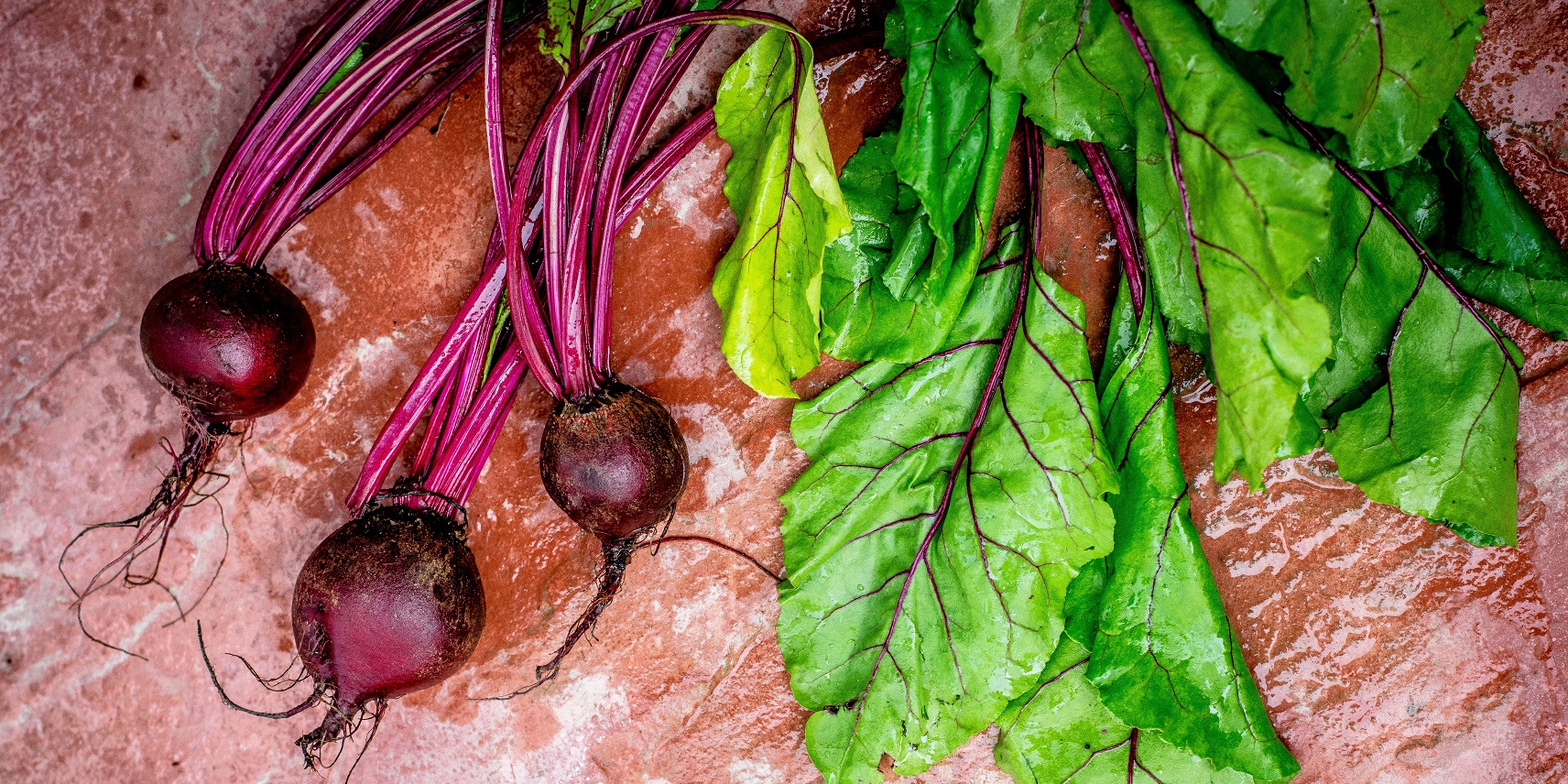
The beetroot is a dark purple/burgundy colored root. it’s easy to come across when you visit the stores. Since it’s a bi-seasonal vgetable and therefore can be obtained throughout the year. Cooking beets can be very messy but it‘s full of nutritional values and taste sweet so it’s worth it.
A little bit about beet
There are many types and varieties of beets, but only 3 types of them are cultivated. the best known of which is the red beet that we are used to eating. You can use all parts of the beet and eat the root itself as well as the leaves. I did not know before writing this article that the beet is used to produce about 40% of the white sugar in the world. (Link to the Beet entry on Wikipedia)
How to cook Beets
Ways of makeing beets
Frash raw beet
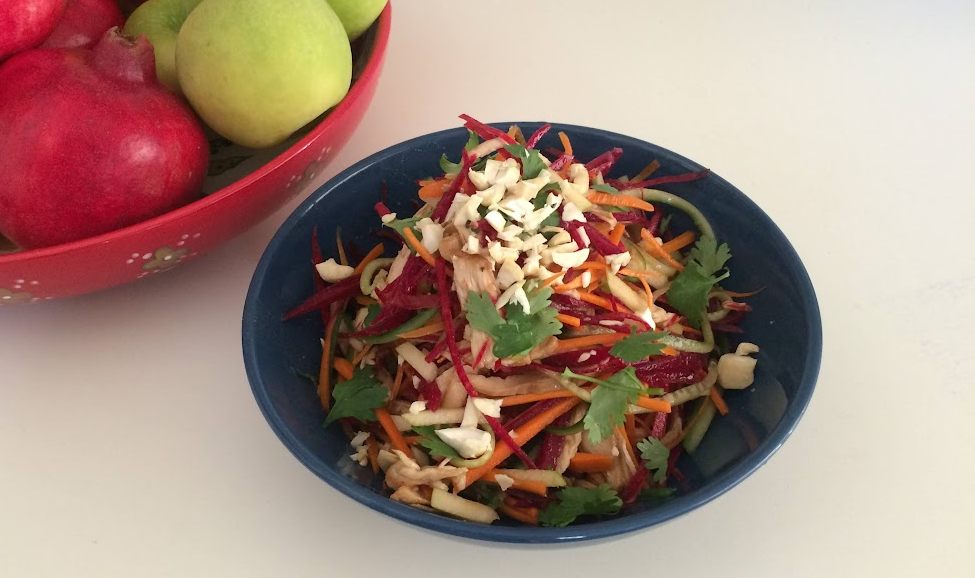
The most basic way to eat almost any form of edible plant is to eat it raw. Since the beetroot is hard to eat, it can be chopped or ground and even cut into thin strips so that it will be chewable and enjoyable. The beet leaves a lot of color, so it is advisable to wash it with plenty of water after cutting. make sure the color that it retains does not contaminate the rest of the salad ingredient. During the washing phase, you can even soak the beet in water to make sure that he has removed all his color.
Cooking beets in boiling water
Perhaps the most common way I know of eating beets is cooking the beets in boiling water. In cases where I plan to cook beets, I usually choose relatively small beets. cooking beets in boiling water can be a long process, a few small beets instead of one big one will shorten the cooking time.
No need to peel, just put the beets in the pot with the water and start the cooking process. you can wash the beets before but it is not mandatory the cooking water will clean the beets. If you want to use the water for something then you might need to wash them well before.
To know if the beets are ready, I insert a toothpick and check that the toothpick penetrates easily to the center of the beets. If so, then it is ready and I can stop the cooking process. If I feel that the beets are still hard, I leave them to cook longer.
It is important to note that after cooking, while the beets are resting in or out of the pot, they still continue the cooking process for some time. After I let the beets rest after cooking I start peeling the beets, usually they are still warm and I remove the skin under cold water easily with my fingers and I have beets ready to go.
Baking beets in the oven
When I bake the beets, I first start by washing the root thoroughly of all the soil and dirt and remove the remains of leaves or small roots from the bottom end. There is no need to peel it, but it is possible if you want or plan to bake it in a different way.
I usually cut the beets into not too thick segments and make sure to mix them in a bowl together with salt, pepper, oil, olive oil, various herbs and more. After that, I arrange them on a tray with baking paper and put them in the oven at 180 degrees Celsius for about 45 minutes (depending on the size of the segments and if you put the beets in a hot oven or not). You can also bake the beets when they are cut into cubes, rings or any other cut shape.
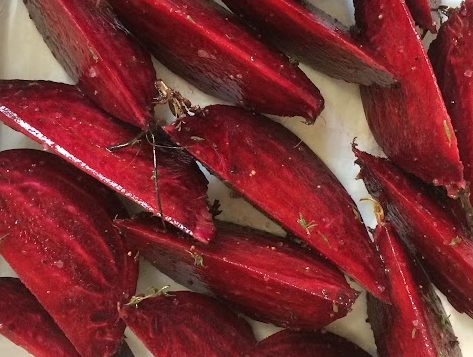
You can check if the beets are ready using a toothpick, but you can also see by the color when they start to be ready and even take a small piece and taste if you are not sure.
When the beets are ready, I let them cool down for a few minutes of rest before eating or the next process of cooking.
Baking beets in the oven with foil
My favorite method for baking beets is to simply take the beets whole, wrap them in foil and put them in the oven at 180 degrees Celsius for about an hour. You can check after an hour if the beets are soft and ready with a wooden toothpick. If the beetroot is ready, I take it out and let it cool for a few minutes, peel it under the tap and cut it to the desired size or type of cut.

beet leaves
Beetroot leaves are also known as Swiss chard and can be used for many things. Sometimes they are used as a substitute for spinach for all its uses, but their taste is different and they are meatier.
*This is a translated article from the Hebrew blog
Thank you for reading!
❤